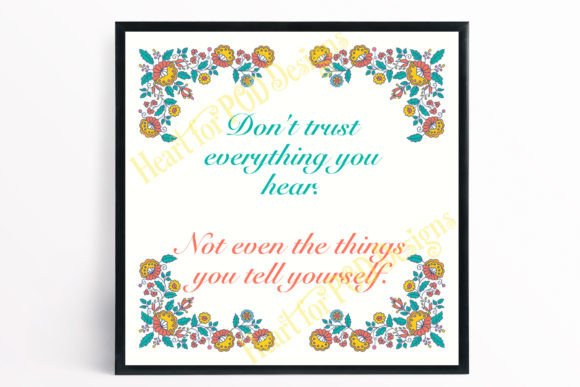
Don’t Believe It All
When starting a print-on-demand (POD) business, it's easy to get caught up in the excitement of creating and selling products. But not every design or strategy will lead to success. One concept that has gained traction among creators is Don’t Believe It All. This phrase suggests a mindset shift—questioning assumptions, evaluating choices carefully, and avoiding blind faith in trends or tools. While it may sound negative, the real message is about making informed decisions that align with your goals.
What Is Don’t Believe It All?
Don’t Believe It All is more than just a catchy slogan—it’s a reminder to approach your creative and business journey with critical thinking. In the world of POD, where trends come and go quickly, it's crucial to separate hype from value. Many creators are drawn to this idea because they’ve seen others fail by relying on untested designs, unreliable platforms, or misleading marketing promises.
The phrase encourages you to ask questions before committing to a design, platform, or supplier. Whether you're choosing a unique square image for your store or deciding which products to offer, taking a step back can make all the difference.
Common Mistakes When Using Don’t Believe It All
While the message behind Don’t Believe It All is valuable, some people misinterpret it as a rejection of all ideas or a refusal to trust their instincts. This misunderstanding can lead to several pitfalls:
- Overthinking everything: Questioning every decision can paralyze progress. There’s a balance between being cautious and being decisive.
- Ignoring proven strategies: Some creators dismiss successful methods simply because they don’t fit the “Don’t Believe It All” mindset.
- Rejecting feedback: Not all advice is bad, but dismissing constructive input without understanding its source can be detrimental.
- Focusing only on the negative: Believing everything is a scam or a failure can prevent you from seeing opportunities.
These mistakes can affect your ability to build a sustainable business. For example, if you reject a popular design format like 2000 x 2000 pixels simply because you doubt its effectiveness, you might miss out on a format that works well for posters, mugs, and other products.
Why This Matters for Your Print-on-Demand Store
Your POD store is more than just a collection of products—it’s a reflection of your brand and values. The design you choose, such as a unique square image with encouraging text, plays a significant role in how customers perceive your offerings. A well-crafted design can lift spirits, inspire confidence, and create emotional connections.
However, there are common oversights when selecting or applying such designs:
- Not considering product compatibility: A beautiful image might look great on a poster, but it could lose impact when printed on a mug or t-shirt. Always test your designs across multiple formats.
- Underestimating the importance of quality: High-resolution images like 2000 x 2000 pixels ensure clarity across different sizes and materials. Low-quality images can damage your brand reputation.
- Ignoring customer preferences: What resonates with one audience might not work for another. Conduct research to understand what messages and visuals appeal to your target market.
- Overlooking platform limitations: Some POD platforms have specific requirements for file size, format, and resolution. Make sure your designs meet these standards to avoid rejection or poor print quality.
By addressing these issues, you can ensure your designs are not only visually appealing but also functional and effective in reaching your audience.
How to Avoid These Mistakes
Instead of blindly following Don’t Believe It All, use it as a guide to make smarter choices. Here are some practical steps to help you succeed:
- Research thoroughly: Before investing in a design or platform, gather information from reliable sources. Look for reviews, case studies, and testimonials.
- Test your designs: Use free tools or sample prints to see how your images look on different products. This helps you identify any issues early on.
- Engage with your audience: Ask for feedback through surveys, social media, or direct communication. Understanding what your customers want can inform your design choices.
- Stay open-minded: While it’s important to question assumptions, remain open to new ideas and strategies that align with your goals.
- Balance skepticism with action: Be cautious, but don’t let doubt stop you from taking steps toward growth.
For example, if you’re using a 2000 x 2000 pixel square design with encouraging text, consider how it looks on a hoodie versus a phone case. Adjust the layout or text size as needed to maintain clarity and impact.
What to Check Before Making a Decision
Before finalizing your design or platform choice, ask yourself the following questions:
- Does the design align with my brand identity and values?
- Will it work across a variety of products, including apparel, accessories, and home decor?
- Is the resolution high enough for clear printing on different materials?
- Have I tested the design on sample products to ensure quality?
- Am I considering customer preferences and feedback?
- Am I using a reliable platform that supports my design needs?
By answering these questions honestly, you’ll be better equipped to make decisions that support your long-term success.
Conclusion
Don’t Believe It All is a powerful reminder to approach your POD business with critical thinking and intentionality. It doesn’t mean rejecting everything, but rather making informed choices that align with your goals and values. By avoiding common mistakes and staying open to learning, you can create a successful, impactful store that resonates with your audience.